Building Relationships: An Art of Human and Robot Collaboration
In an age in which technology is advancing at an unmatched rate, the intersection of humankind and robotic interactions has emerged as a key field of study. Human-Robot Interaction courses provide an fundamental foundation for anyone looking to engage with the rapidly evolving domain of robotics. These courses explore the principles and methods that dictate how people and robots can interact and collaborate effectively, emphasizing the importance of this synergy in modern technology.
As we embrace more automated systems in our daily lives, comprehending how to design and implement interactive robots is increasingly vital. From enhancing customer service with intelligent chatbots to creating robotic companions that assist the elderly, the applications are nearly limitless. This article will examine what a Human-Robot Interaction course entails, the abilities you can anticipate to gain, and how these programs prepare you for a future where technology enhances our human lives.
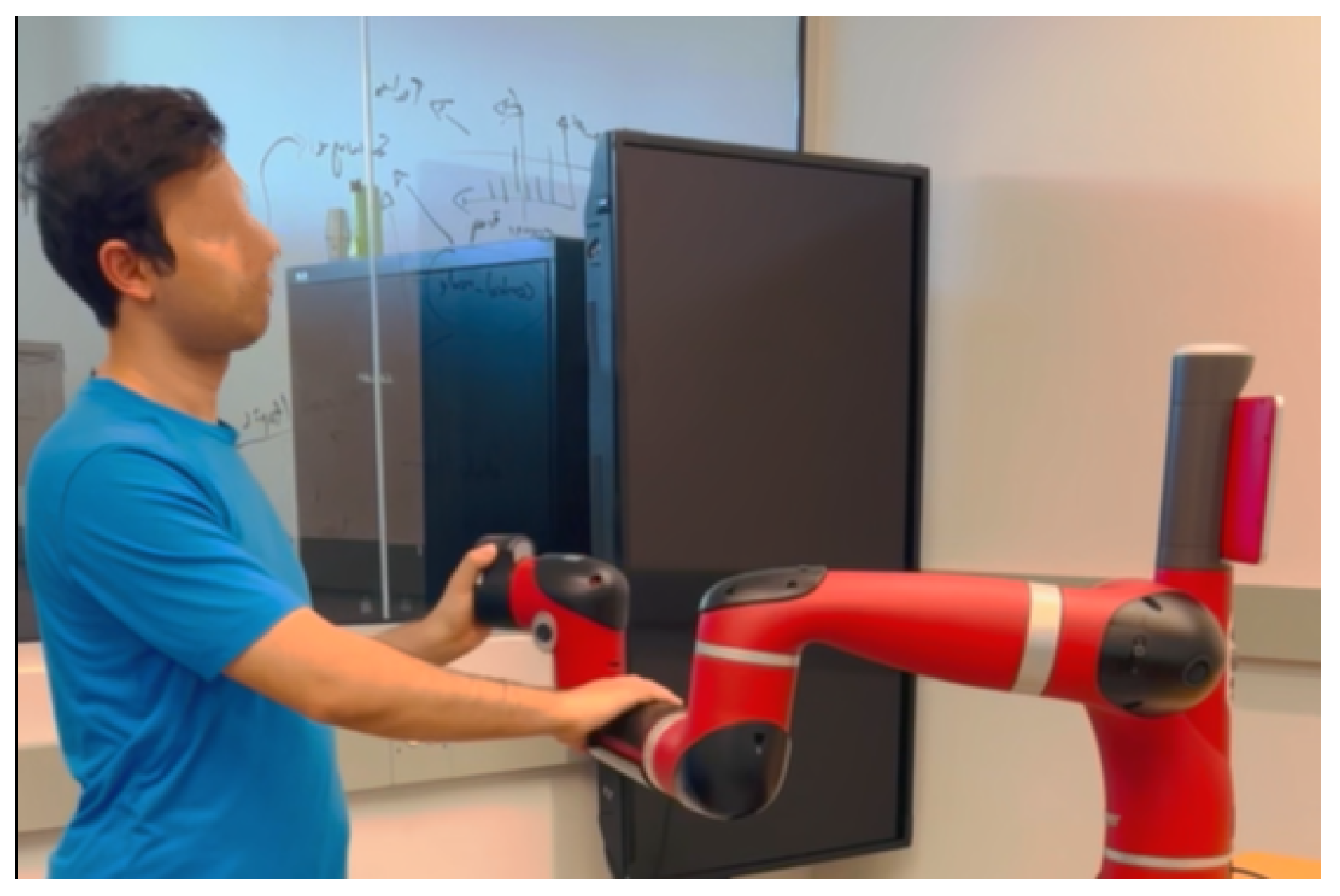
Introduction of Human-Robot Interaction Courses
Human-Robot Interaction (HRI) programs focus on examine the relationship between individuals and machines, highlighting how these interactions can be enhanced for various applications. As automation becomes progressively integrated into daily life and the workplace, understanding this relationship is important. HRI courses typically include a diverse set of subjects, including social robotics, user-oriented design, and the ethical challenges of deploying robots in the world. By combining technology with human factors, these courses aim to equip students to design solutions that improve the user interaction.
The skills you gain in an HRI program are diverse and applicable to various fields such as design, creative fields, psychology, and machine intelligence. Students gain the ability to analyze user requirements, formulate effective dialogue techniques between humans and automated systems, and develop easy-to-use interfaces. Additionally, there is a significant focus on collaborative learning, offering participants the opportunity to work alongside peers from diverse fields. This mix of hard and soft skills sets HRI apart as a crucial area of research in the current tech environment.
Additionally, HRI courses often include hands-on projects that provide hands-on training in programming autonomous systems that interact with users. This experiential aspect is crucial, as it allows participants to implement classroom learning to real-world situations, encouraging creativity and problem-solving skills. Whether offered via the internet or face-to-face, these programs influence the future of technology by equipping participants with the knowledge to develop automated systems that perform well and compassionately alongside people.
Expertise and Gains of Human-Robot Interaction Programs
HRI courses provide participants with vital capabilities that connect technology with human understanding. Participants gain knowledge to create systems that enhance the engagement between humans and robots, ensuring user-friendliness and inclusiveness. Key skills include understanding experience design, developing robots for human interaction, and developing algorithms that enable robots to interpret human responses. These competencies are essential in a world increasingly populated by smart technology.
The benefits of attending a Human-Robot Interaction course extend past technical skills. Students acquire insights into the ethical considerations surrounding robots, equipping them to address social consequences and challenges with confidence. This well-rounded understanding promotes ethical innovation, encouraging future experts to design technology that enhance all users. Additionally, experiential projects and real-world applications allow students to test their knowledge in real-world settings, enhancing their understanding.
Enrolling in a Human-Robot Interaction course creates numerous job prospects in varied fields such as health services, learning environments, and entertainment. Alumni are well-prepared for roles in creating adaptive systems, creating engaging items, or developing robots for service industries. Furthermore, as industries continue to embrace robotics, the demand for skilled individuals who understand both the technical aspects and user interaction of HRI will only increase, making this an essential area of study.
Job Prospects and Emerging Trends
Completing a Human-Robot Interaction class opens numerous career doors across various sectors. Graduates often secure roles as interaction designers, robotics specialists, AI specialists, or user experience researchers. These jobs are in great demand as businesses increasingly adopt robotic systems into daily tasks, spanning medical support to automated customer service. The abilities gained in such classes make individuals crucial resources to companies looking to boost human-robot collaboration.
The upcoming developments of HRI are constantly evolving, with advancements in machine intelligence and algorithmic learning driving innovative features. As robotic systems become more sophisticated in interaction and comprehension, professionals trained in HRI will find themselves at the leading edge of developing intuitive systems that can effortlessly integrate into human environments. These innovations will likely influence how we live and work, prompting new job opportunities and interdisciplinary projects.
Furthermore, ethical considerations and user-centric design will be important in the next of human-robot interaction. Classes focusing on these topics prepare participants to confront the social consequences of automation and create solutions that prioritize safety and user satisfaction. As enterprises seek to responsibly incorporate robotic systems in their functions, talented professionals will be essential in navigating these transformations to ensure they are beneficial and equitable for the community.