Exploring the Innovative Horizon: A In-Depth Examination at Human and Robot Interaction Programs
As the technology rapidly evolves, the intersection between human interaction and robots becomes progressively critical. Human-Robot Interaction classes are appearing as crucial educational experiences, offering participants the skills and tools necessary to venture into this exciting field. With these machines performing roles in multiple sectors such as health services, manufacturing, and individual support, understanding how to develop, build, and engage with these machines remains crucial.
These classes delve into the intricacies of how humans and machines can collaborate seamlessly. Ranging from basic theories to hands-on projects, learners gain knowledge into user-centered design, behavioral design, and the moral considerations of the technology in human life. With us transition to an era where working together with smart robots grows standard, equipping ourselves with the right tools through a HRI course will not only get us ready for future job prospects but also shape the technological landscape of the future.
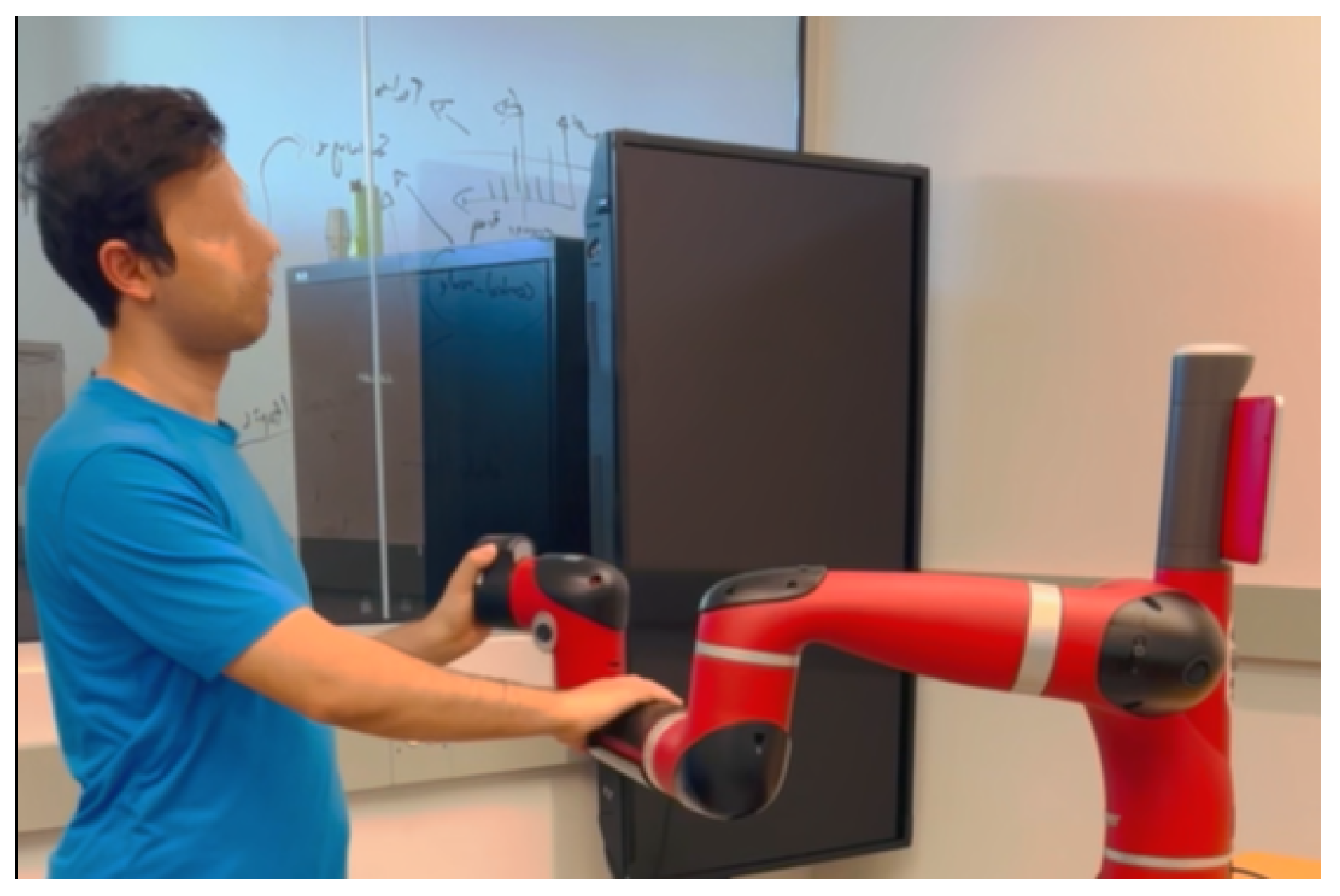
Understanding Human-Robot Collaboration Courses
HRI classes are designed examine the intricate interplay between people and robots. These classes explore how robots can efficiently help, collaborate, and communicate with people, focusing on both the technological and cognitive aspects of this interaction. As robotics progresses, grasping the nuances of human-robot collaboration grows increasingly essential in multiple fields, ranging from healthcare to manufacturing.
The significance of human-robot interaction courses lies in their capacity to prepare students for a quickly changing job market. With the increasing integration of robots into everyday life, professionals equipped with the skills to design, implement, and enhance human-robot interactions are in high. Such classes cover a broad range of subjects including user interaction design, UX design, and the ethical implications of robots, ensuring that students are comprehensive in both technical and sociocultural aspects of robotics.
HRI courses are not just about acquiring knowledge to code machines; they emphasize interdisciplinary collaboration, engaging students from disciplines like computer science, engineering, behavioral science, and creative industries. Through theoretical knowledge and practical applications, these courses aim to encourage creative thinking and problem-solving skills, essential for developing technologies that improve robot-human collaboration and enhance user experience in diverse contexts.
Competencies and Benefits of HRI Courses
Human-Robot Interaction programs provide students with a varied set of competencies crucial for navigating the complexities of contemporary tech. Learners develop expertise in designing and coding machines that can efficiently interact and cooperate with humans. This comprises understanding UI design, coding languages, and sensory integration, allowing the development of intuitive and responsive robotic platforms. Additionally, participants hone their problem-solving abilities, vital for addressing real-world challenges faced in various industries.
One of the major benefits of participating in a Human-Robot Interaction course is the cultivation of collaboration capabilities. Students often collaborate in teams to handle projects, simulating practical environments where human-robot collaboration is essential. Robotics UX design training enhances social abilities but also fosters innovation and ideas through the sharing of varied viewpoints. Students learn to approach problems from different angles, which is invaluable in areas where cross-disciplinary expertise is key.
Moreover, Human-Robot Interaction training equips individuals for emerging job opportunities in a rapidly evolving tech landscape. As industries increasingly integrate robotics into their processes, the need for experts skilled in robot-human collaboration keeps to grow. Graduates are well-positioned for careers in sectors such as healthcare, manufacturing, and service, where they can apply their skills to improve efficiency and enhance user experiences. This program not only trains participants for current employment opportunities but also positions them as forward-thinkers ready to tackle future issues.
Employment Avenues and Upcoming Developments
A Human-Robot Interaction course opens the door to a variety of career options in new domains. Graduates can secure jobs including HRI investigators, robotic systems designers, user experience developers, and interaction professionals. Industries such as wellness, industry, and service sectors are increasingly integrating robots into their operations, creating a requirement for professionals who understand how to effectively develop and deploy these interactions. Additionally, companies are looking for experts who can address the moral considerations of robotics, thus widening the breadth of potential job roles.
As technology progresses, the field of Human-Robot Interaction is likely to evolve, incorporating breakthroughs such as artificial intelligence, machine learning, and “empathetic” robots. Future trends may include more customized robotic assistants and cooperative robots that partner with humans in diverse settings. This merging will necessitate professionals who can not only code robots but also ensure they interpret human conduct, preferences, and feelings. This growing partnership between humans and robots promises to create new job titles that we might not even imagine today.
Taking a HRI course prepares students with the expertise necessary for these future roles while fostering creative problem-solving. As industries increasingly rely on robotics, understanding the principles of HRI will become a vital asset. By linking Robotics UX design training between human needs and robotic capabilities, professionals in this field will be instrumental in shaping the future of technology, ensuring that robots improve rather than hinder our daily lives.