Innovation Encounters Learning: Transformative Human-Robot Interaction Courses
In the current swiftly changing technological sector, the convergence of education and advancement is more important than ever. Human-Robot Interaction courses are emerging as a essential aspect of this transition, connecting the gap between humans and robots in ways that were once the domain of fantasy. As machines grow increasingly integrated into our routine lives, comprehending how to develop, understand, and refine this connection is critical. Whether you are a technology lover, a creator, or an teacher, exploring the fundamentals and nuances of Human and Robot can unlock new opportunities for imagination and problem-solving.
Such courses not just teach essential competencies related to robot technology and AI but also underscore the significance of ethics, customer interaction, and the societal impacts of digital advances. By taking part in hands-on projects and partnering on real-world challenges, students gain tangible insights that prepare them for a future where collaboration between humans and robots is the norm. With a variety of courses offered, from novice to expert levels, individuals can locate a program that fits their aspirations and career goals, turning this an exciting and timely area of learning for anyone keen in influencing the future of technology.
Comprehending Human-Robot Interplay Programs
Human-Robot Interaction courses center around the interdisciplinary analysis of interactions between people and robots. Such programs combine aspects of robotics, artificial intelligence, psychology, and design to explore how people can efficiently communicate and work with robots. As technological advancements advances, the necessity for individuals who grasp the nuances of HRI grows more essential, rendering these courses particularly relevant in the current academic environment.
The success of such programs is based on their practical methodology, frequently blending theory with practical assignments. Learners take part in practical situations in which they design, construct, and develop robots to communicate with humans efficiently. This experiential learning helps them grasp the challenges involved in developing user-friendly and user-friendly robotic systems that enhance human experiences in various contexts, from medical care to manufacturing.
Additionally, Human-Robot Interaction programs play a vital part in preparing students for the upcoming job market. As robotics continue to changing industries, a strong grasp of robot-human interactions will be essential. Completers of these courses can expect to discover diverse career opportunities, including robotics design and coding to investigation and innovation in user-focused tech, which ultimately adds to the advancement of intelligent technologies and their applications in daily life.
Essential Skills and Professional Prospects
A Human-Robot Interaction program furnishes learners with a diverse set of skills that are progressively significant in the modern tech-focused landscape. Students learn to develop and assess interfaces that allow efficient dialogue between humans and machines. Competencies in programming, user experience design, and cognitive psychology are crucial, allowing completers to understand how users perceive, connect, and work together with robots. Additionally, knowledge in AI and machine learning is critical, as these areas play a significant role in improving human-robot interaction.
Professional opportunities for those who graduate from a Human-Robot Interaction program are encouraging and diverse. Completers can pursue positions in innovation, focusing on state-of-the-art automation in sectors such as healthcare, industry, and customer service. HRI certification may include UX designers for robots, robotics engineers concentrating on user-focused designs, or project managers overseeing interdisciplinary teams dedicated on innovative automation approaches. The demand for professionals who understand both the technical and social aspects of human-robot collaboration keeps to grow.
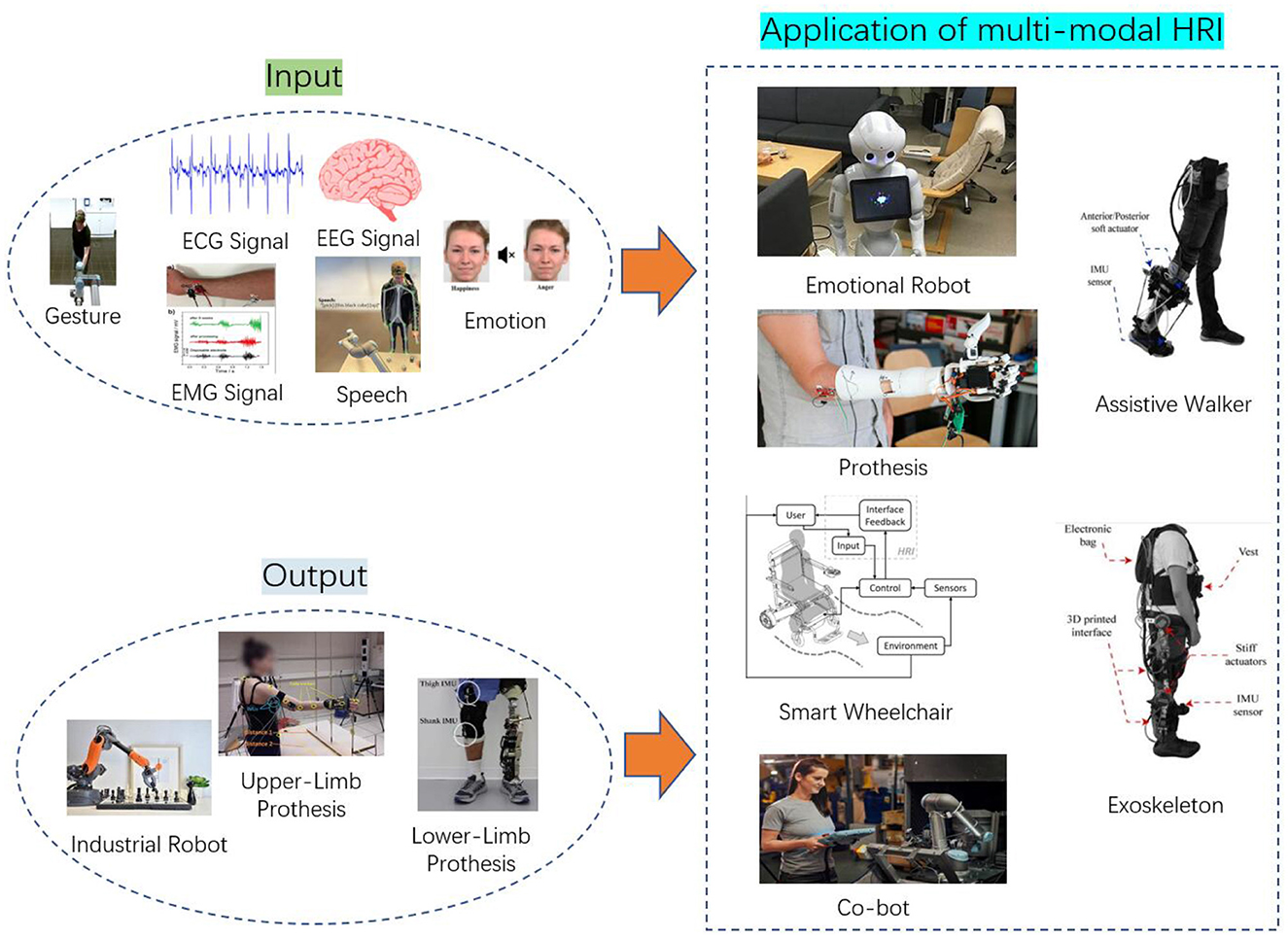
Furthermore, the unique skill set gained from a Human-Robot Interaction class prepares students for developing roles driven by advancements in robotics and AI. As an increasing number of sectors embrace robotics to enhance output and effectiveness, professionals who can link the gap between tech and user experience will be essential. Engaging in collaborative efforts is emerging the standard, making this instruction extremely applicable across multiple areas, including healthcare, learning, and leisure.
Choosing the Best Course
As you selecting a HRI course, it is important to think about your current skill level and future aspirations. Beginners might find value from courses that deliver foundational knowledge and practical applications, while more advanced learners should look for programs that delve into specialized topics and advanced concepts within the field. Determine what skills you would like to develop, whether it's programming, design, or ethical considerations in robot interaction, and choose a course that matches those goals.
A further key factor is the format of the course. Virtual courses provide flexibility and accessibility, allowing you to learn at your own pace. In-person courses, on the other hand, provide hands-on experiences and direct interaction with instructors and peers. Depending on your learning style and schedule, you might favor one format over the other. Evaluate how each option fits into your life and select what works best for you.
At last, research the institutions providing Human-Robot Interaction courses. Look for universities or organizations with respected programs, experienced instructors, and industry connections. Reading reviews and alumni testimonials might give insights into the quality of education you can expect. The appropriate course can significantly enhance your knowledge and career opportunities in this rapidly evolving field, so spend time to identify the best fit for your needs.