Team-based Collaboration: What You’ll Learn in Interaction Between Humans and Robots
In today’s fast-changing technological landscape, the intersection of human capabilities and robotic systems is changing how we exist and work. The HRI course emerges as a critical field of study, centering on the interactions between people and robots. As https://telegra.ph/Designing-Understanding-The-Human-Robotic-Interface-Experience-03-25 become progressively integrated into our daily lives, understanding how to successfully design and interact with these technologies is vital. This course provides a complete foundation for anyone interested in examining how humans and robots can collaborate seamlessly.
Participants in a HRI course can expect gaining important insights and skills that are crucial for navigating a future where human-robot collaboration is the norm. From cultivating empathy in robotic design to realizing the ethical implications of autonomous systems, this course provides learners with the knowledge needed to flourish in a variety of professional settings. Whether you are a novice or looking to enhance your expertise, the curriculum offers a rich blend of theory and practical applications that pave the way for groundbreaking breakthroughs in technology.
Skills and Advantages of Human-Robot Interaction Programs
HRI courses offer a range of important skills that are increasingly crucial in the current digital world. Learners will learn to develop and build user-friendly robotic systems that effectively communicate and collaborate with people. Competencies such as coding, system unification, and user interface design are cultivated, enabling students to become proficient in creating innovations that enhance the user experience and interaction. Understanding human behavior and psychology is also emphasized, allowing learners to build robots that more effectively adapt to human needs and desires.
In addition to technical skills, these programs provide significant advantages that reach past the academic setting. Engaging in hands-on projects fosters innovation and problem-solving, allowing students to apply concepts in actual scenarios. Networking opportunities with leaders in the sector lead to to collaboration and mentorship, further improving the educational process. https://vusr.net/members/hriacademy957/activity/7573/ learn into the ethical issues surrounding human-robot interactions, making it possible they can practice accountable practices in their work.
Finally, the knowledge gained in Human-Robot Interaction programs readies participants for a pathway in a quickly shifting job market. As sectors more and more adopt robots and AI into their workflows, the requirement for trained workers who can connect the gap between humans and robots is growing. Completers can explore varied career paths, from creating aids for healthcare to building cutting-edge manufacturing systems, making this course a key launch pad for future thinkers in technology.
Career Options and Opportunities in Human-Robot Collaboration
As the area of tech develops, the demand for skilled professionals in human-robot cooperation is swiftly increasing. Graduates of this class can discover diverse career paths, including positions in R&D, user experience design, and product management. Organizations across sectors such as healthcare, industry, and leisure are seeking professionals who can handle the intricacies of designing effective and successful HRI systems that boost performance and safety.
In addition to common positions, the HRI program trains students for emerging careers in interdisciplinary fields. Participants who finish this course may discover themselves collaborating with AI, ML, and cognitive scientists experts to design innovative applications. Fields like robotics for rehabilitation and automation in services are on the rise, allowing experts to assist to creating automated systems that assist and collaborate with humans in everyday tasks, making them essential in a variety of fields.
Furthermore, as robotics becomes increasingly essential to our daily lives, startup ventures in the realm of human-robot collaboration is becoming prevalent. Class participants not only gain knowledge but also learn about new ideas and customer-focused design, arming them to start new businesses or assist to established firms in creating cutting-edge robotics. This blend of know-how and design thinking creates a rich ecosystem for discovering unique career opportunities and progressing in this dynamic field.
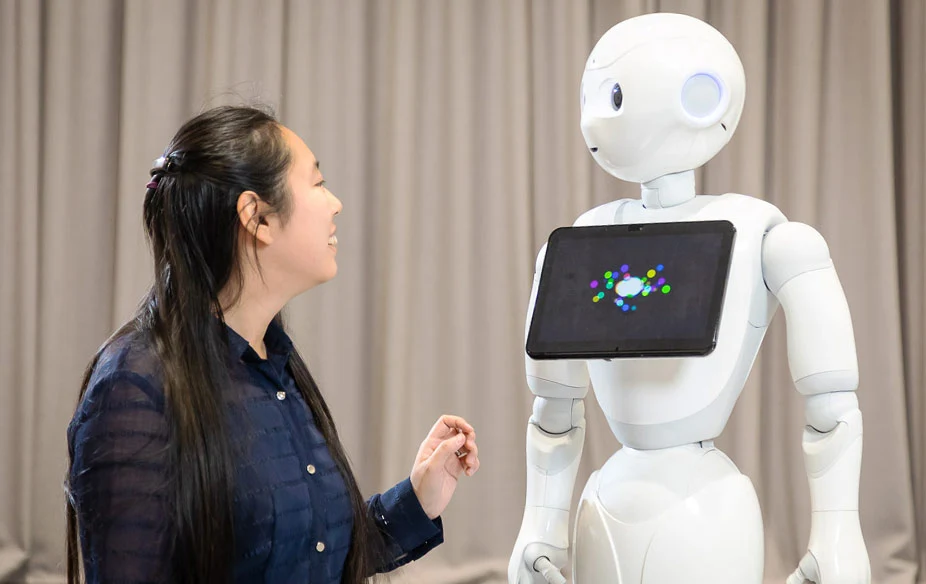
Picking the Suitable HRI Course
As you are selecting a Human-Robot Interaction course, it is essential to think about your individual goals and preferences. Diverse programs may highlight various aspects of human-robot interaction, such as technical expertise, design theories, or ethical aspects. Think on what you hope to obtain from the course, be it a fundamental comprehension, particular competencies for your profession, or knowledge into the newest advancements in the discipline.
Another important factor is the teaching format. Some students thrive in a practical, collaborative environment offered by face-to-face courses, where they can interact directly with teachers and classmates. Alternatively, may opt for the convenience of virtual courses that enable them to learn at their individual pace. Evaluate your learning style and schedule to determine which format aligns best with your way of life and responsibilities.
Finally, research the organizations providing these courses. Identify programs with excellent faculty backgrounds, strong industry connections, and good student feedback. Top universities commonly provide opportunities to cutting-edge research and advanced technologies, which can augment your learning experience. By thoughtfully assessing these factors, you can discover a Human-Robot Interaction course that fulfills your requirements and prepares you for future opportunities in this evolving field.